
Stronger peer relationships: from empathy to accountability
Workplace friendships are often built on empathy and goodwill. However, empathy alone can slide into what the framework calls ruinous empathy. That is the place where we care about someone’s feelings so much that we withhold the truth. This might avoid short-term discomfort, but it undermines trust in the long run. For example, if a colleague’s repeated errors slow down the team, ignoring the issue may feel ‘kind’. But radical candor argues that true kindness is to speak up clearly and respectfully, so that the colleague has the chance to improve.

When employees use radical candor with peers, they create an environment where accountability is not seen as criticism but as care. Colleagues come to rely on each other for honest guidance, knowing feedback comes from a place of support.

When was the last time you avoided telling a peer something important because you didn’t want to hurt their feelings? What might have changed if you had spoken up with care and clarity?
Speaking up with courage
In many organizations, silence is the path of least resistance. Employees may fear that disagreeing in a meeting or raising concerns will make them appear negative. Here, radical candor offers a middle way: one can challenge an idea without dismissing the person behind it.
This is not about confrontation, it’s about clarity. Or, as the concept emphasizes: “It’s not mean, it’s clear.” A clear statement of concern not only prevents small problems from snowballing, it also demonstrates ownership and engagement.
When employees consistently choose candor over silence, they shift the team dynamic. Meetings become more productive, decisions are made on better information, and colleagues learn to respect each other’s honesty rather than fear it. This builds a culture where speaking up is seen as an act of commitment, not opposition.

Do you tend to stay quiet when you disagree? What’s one situation this week where speaking up clearly might help your team avoid confusion or wasted effort?
Receiving feedback is an active skill
Did you know that candor is judged not at the speaker’s mouth but at the listener’s ear? This highlights an often-overlooked truth: communication is not complete when words are spoken; it is only complete when they are understood. This means that receiving feedback is not a passive act but an active skill. How you interpret and respond to feedback shapes whether candor leads to growth or to conflict. It requires emotional discipline, curiosity, and humility to hear not only the words but the intention behind them. Rather than reacting defensively, we can pause, reflect, and ask clarifying questions. By doing so, we not only improve our own performance but also reinforce a culture where honesty feels safe and appreciated.
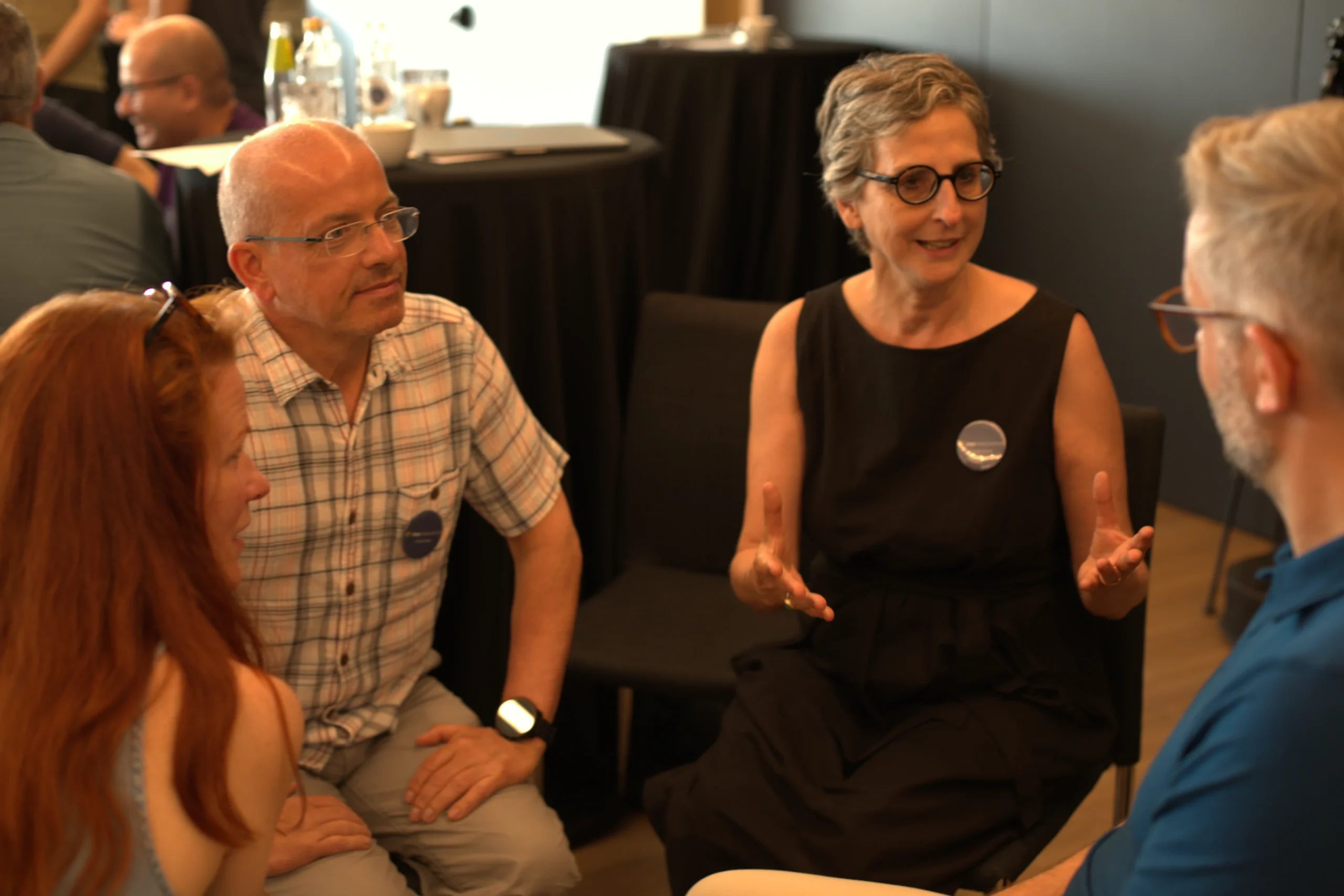
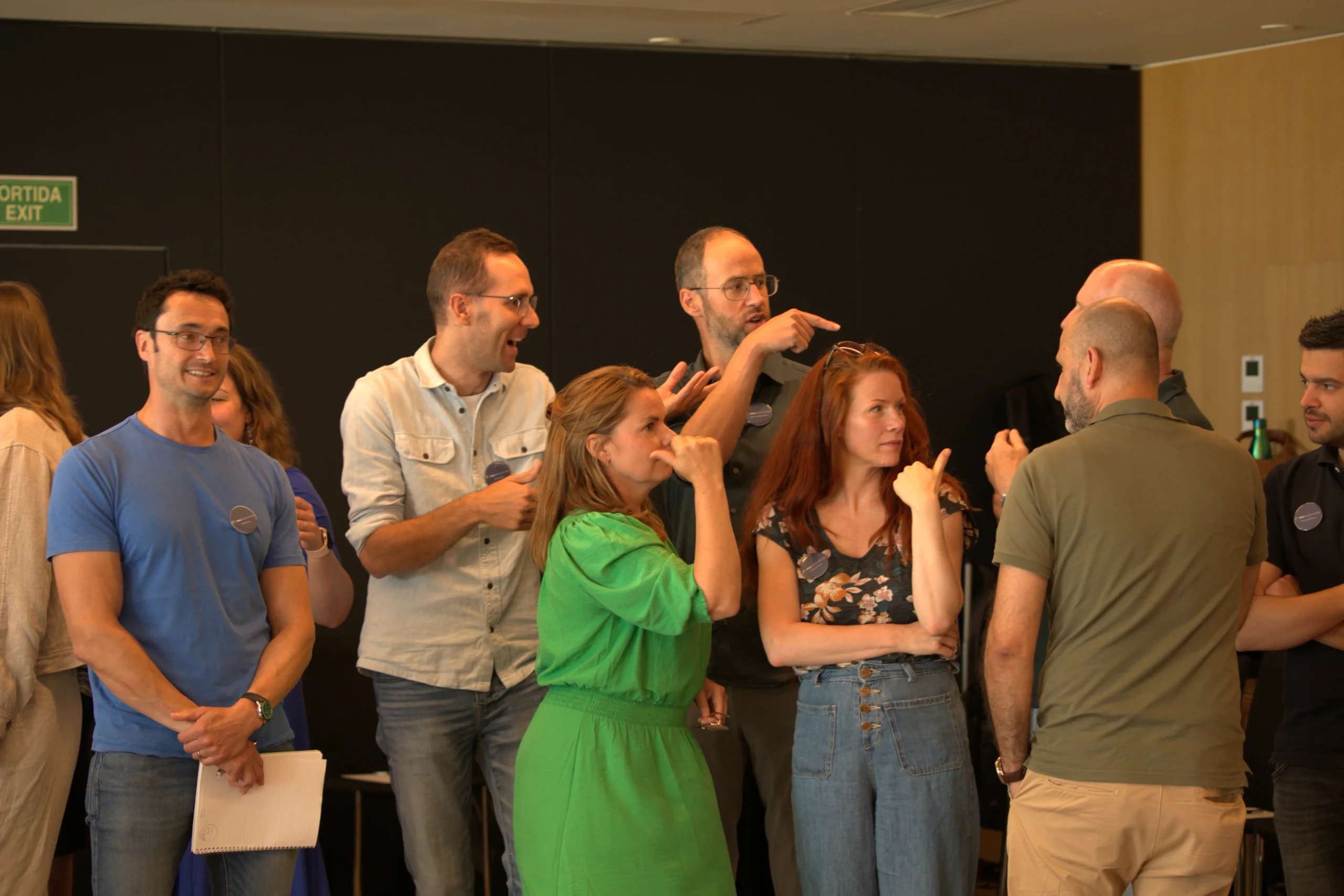

This practice draws on the idea of psychological safety—a team climate where people believe they won’t be punished for speaking up. By rewarding candor, employees contribute directly to that safety.
When you last received constructive feedback, did you listen openly, or did you react defensively? How would you approach feedback differently next time to show you value candor?
“The workshop reminded me that real collaboration starts with honest conversations. When we dare to speak with both care and clarity, we create a culture where everyone can grow.”
Birgitte Økland, Team leader Finance and Administration, Norway
Practicing candor upward
One of the most powerful ways we can use radical candor is in our interactions with our managers. Traditional hierarchies often discourage ‘speaking truth to power’, but radical candor provides a respectful way to do so. Employees can challenge ideas, offer feedback, or flag risks without undermining authority. Seen this way, candor becomes a form of partnership. Employees are not merely followers but active contributors to problem-solving. This helps address the power imbalance inherent in manager-employee relationships.
Research on organizational voice shows that when employees provide upward feedback, it not only improves decision-making but also strengthens trust between managers and teams. By sharing observations respectfully, employees demonstrate both engagement and loyalty: two qualities that are highly valued in collaborative organizations.
Do you regularly share your honest perspective with your manager, or do you hold back? What’s one safe way you could practice respectful upward candor this month?
“Bringing colleagues together from different countries to practice Radical Candor was a powerful experience. It reinforced our belief that feedback, given with care and clarity, strengthens both people and culture.”
Maria Cazorla, HR Generalist, Spain
Are you in the rockstar or superstar mode?
The theory of superstar mode versus rockstar mode emphasizes that people contribute in different ways at different times. Employees can apply radical candor inwardly by being honest about their current ambitions and limitations.
For instance, someone in superstar mode seeks rapid growth and new challenges, while someone in rockstar mode provides stability and consistency. Neither is superior, both are essential. In fact, organizations thrive precisely because they have a balance of both types of contributors: superstars drive innovation and change, while rockstars ensure continuity, quality, and resilience. Without rockstars, teams would lack the steady foundation needed to absorb rapid change; without superstars, they would risk stagnation. By candidly discussing your mode with your manager, expectations will align with reality and misunderstandings reduced.
Studies of high-performing organizations show that stability and innovation must coexist. Teams that overvalue rapid growth without a foundation of steady performers risk burnout and inconsistency, while teams that rely only on stability struggle to adapt and evolve. The superstar–rockstar balance is therefore not just a management preference but an evidence-based requirement for long-term organizational success.
Are you clear with yourself—and with your manager—about whether you are in a growth phase or a stability phase? How can being more candid help align your role with your current priorities?
The balance between praise and criticism
Radical candor highlights the importance of giving both praise and criticism. Among peers, this translates to building a feedback-rich culture where guidance flows in all directions. Praise motivates, criticism clarifies, and together they prevent small issues from growing into big ones.
Using CORE Praise (Context, Observation, Result, Next Step) and quick, specific criticism makes guidance actionable. The strength of CORE Praise lies in its structure: it moves beyond vague compliments like ‘Good job’ and instead offers clarity that reinforces desired behaviors. By naming the context in which something occurred, describing the specific observation, highlighting the result of that action, and suggesting a next step, the praise becomes both motivating and instructive. The emphasis is always on helping others succeed instead of boosting one’s own image.
This resonates with the principle of fairness in organizational psychology: it is not only fairer but also more sustainable when everyone shares responsibility for each other’s growth.
Do you tend to only give feedback when something goes wrong? How can you balance your candor by also recognizing what colleagues are doing right?
So…
The theory is simple but powerful: when care and clarity coexist, individuals thrive and organizations flourish. If we practice radical candor not as a managerial tool but as a philosophy of workplace interaction, we:
Looking in the mirror, how consistently do you balance care and clarity in your work relationships? What’s one small step you can take tomorrow to practice compassionate candor more fully?
Would you like to learn more about Radical Candor? You can follow the entire course on your LinkedIn Learning account.